Australian has never encountered an Asian country as powerful as China is today, and we have no idea how to deal with it.
After Mao launched the Cultural Revolution in 1966, vast numbers of students, workers, peasants and other ordinary people divided into hostile groups that violently fought against each other for mo
Zhang Peili: from Painting to Video is a collaboration between the Australian Centre on China in the World (CIW) and MAAP-Media Art Asia Pacific, Brisbane.
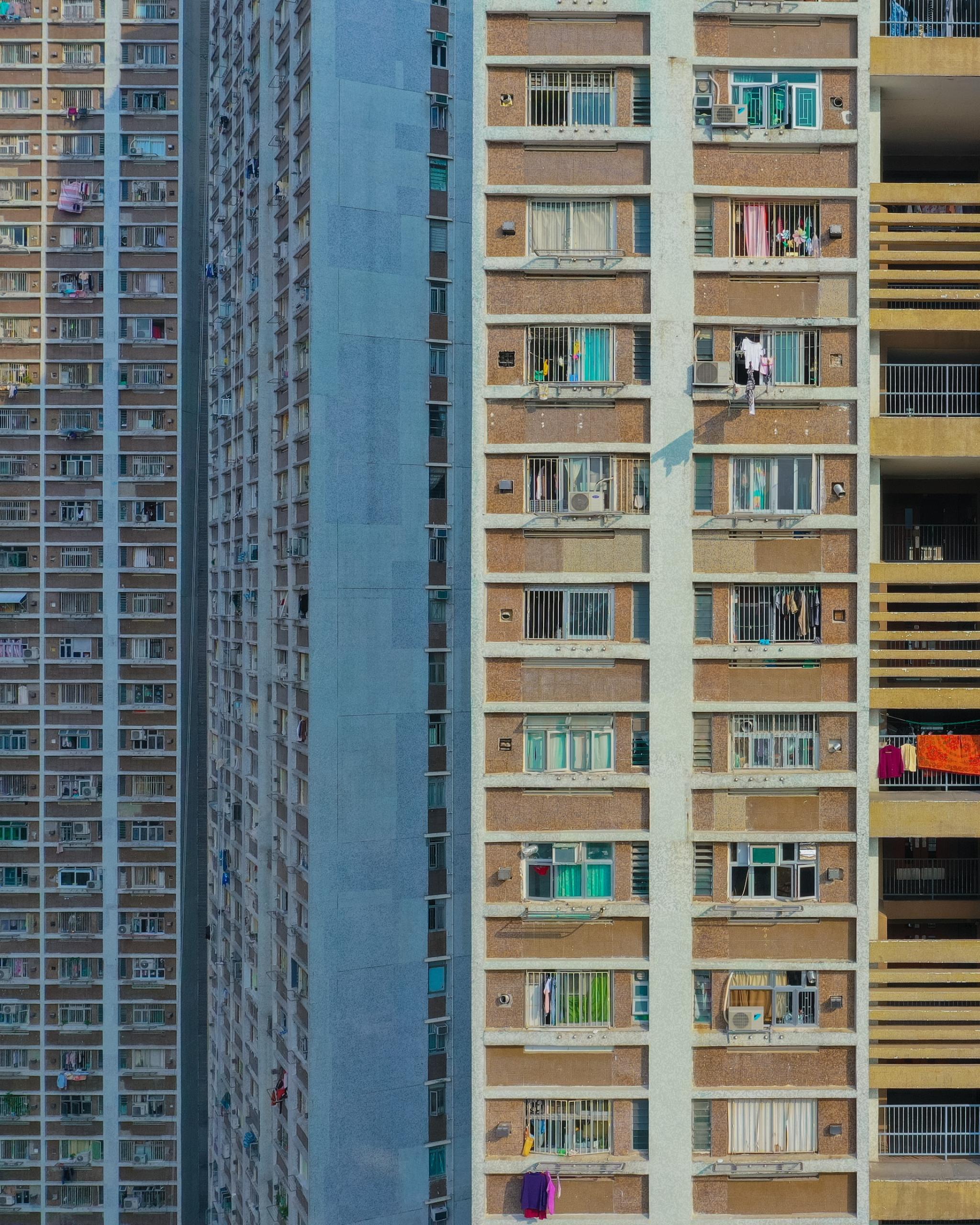
Young Mainland Chinese are moving to Hong Kong from all over China, leaving their homes because of family interests or in search of better education and career prospects.
To coincide with the exhibition Celestial Empire at the National Library of Australia, the Australian Centre on China in the World (ANU) presents a selection of rarely seen photographs of
When Xi Jinping became General Secretary of the Chinese Communist Party in November 2012, he declared that the Party was travelling along a 'Chinese path' 中国道路 into the future.
In the century from the 1880s to the 1980s there were numerous accounts of what ‘the rise of Asia’ would mean for Australia.
The Pacific War and its aftermath radically transformed Australian perceptions of what was then called 'the Near North' (Asia).