This seminar investigates legal information about aliens and foreign countries collected in two types of source. The first is Ming official accounts of diplomatic missions.
Since the full implementation of the “one-shoulder pole” policy in 2019, village secretaries are now expected to concurrently serve as village heads.
Given the popularity of video games throughout the world, and, especially in China, it may seem self-evident that they contain the capacity for fun.
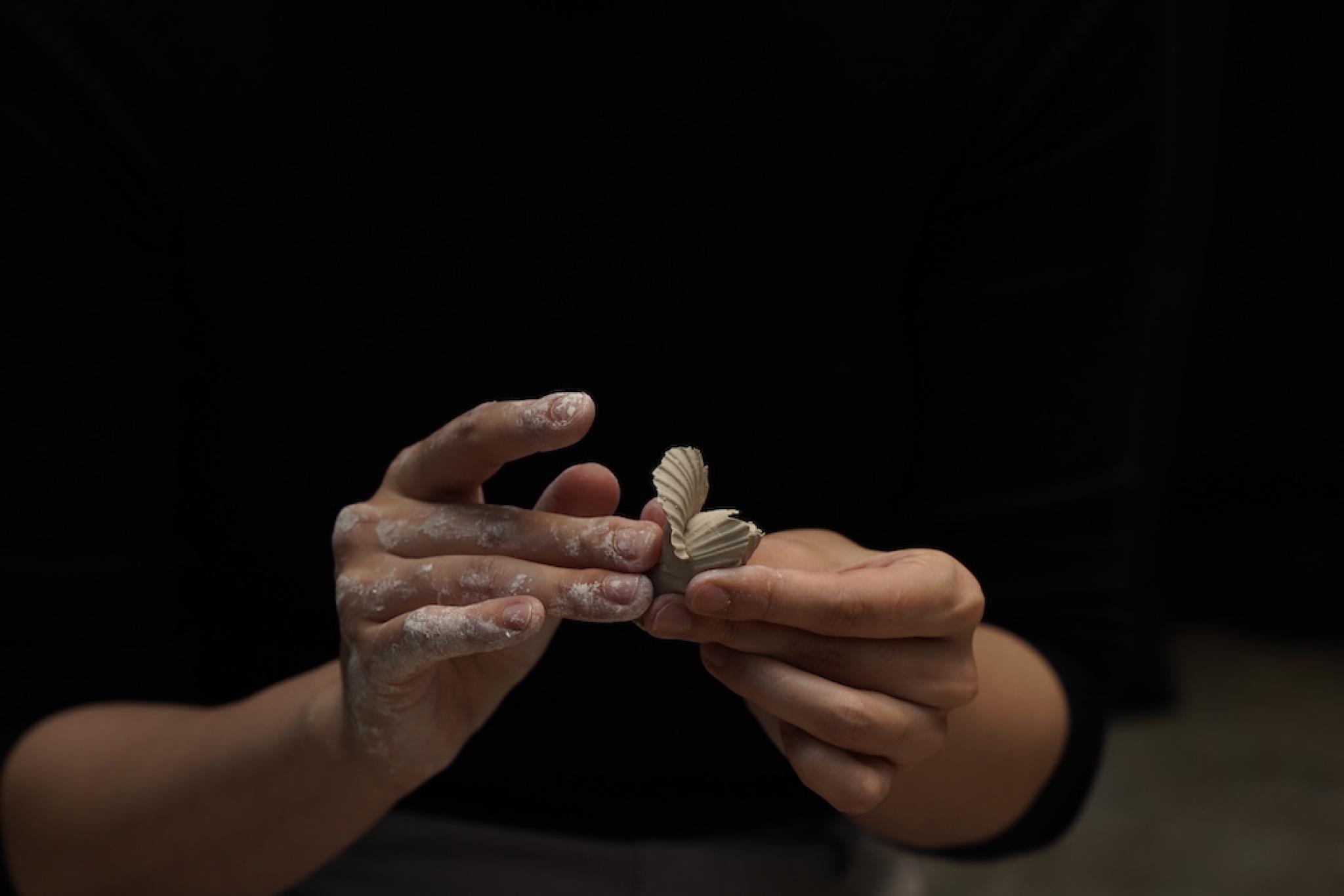
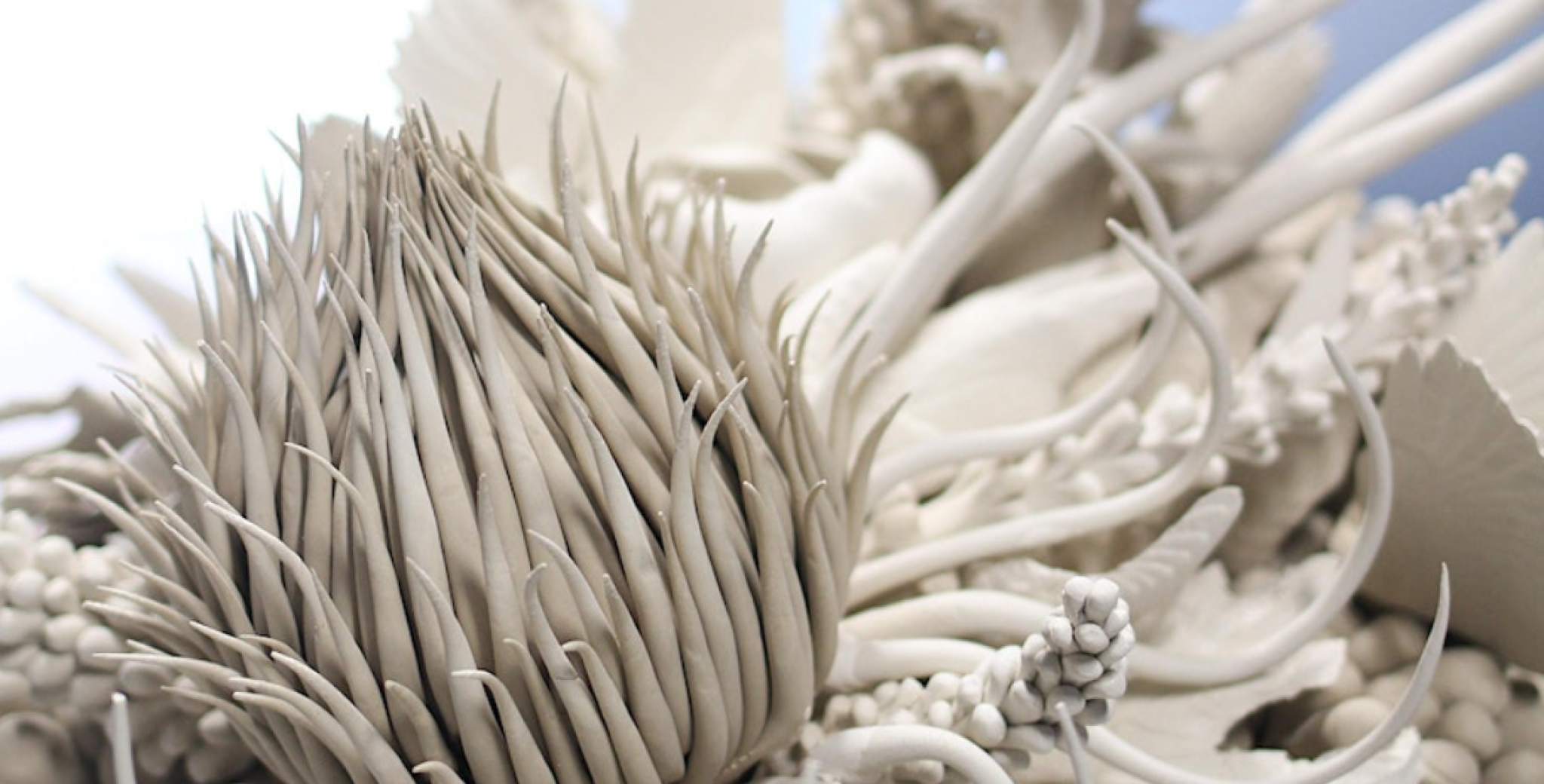
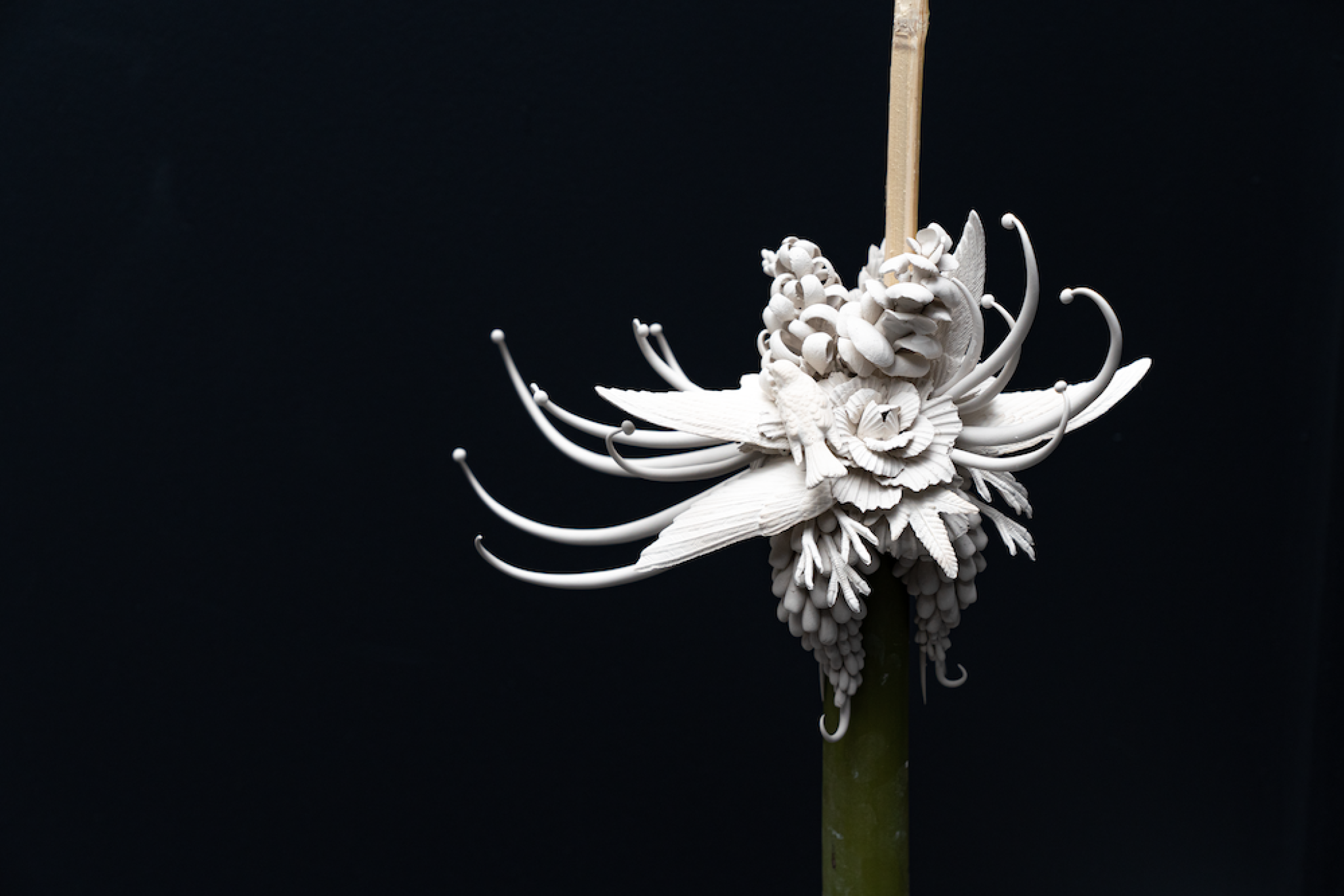
Artist Ruth Ju-shih Li 李如詩 will be hosting a clay workshop as part of the Florilegium: Distant Memories exhibition public program.
Join artist Ruth Ju-shih Li 李如詩 on a guided tour exploring the Florilegium: Distant Memories exhibition.
In the late 1970s, the Dali Cultural Bureau acquired a number of stones bearing Mongol-era inscriptions that had been discovered in the walls of the famous Wuhua Tower during the Cultural Revolutio
Florilegium: Distant Memories is an autobiographical, multi-component, immersive exhibition featuring an on-site installation by Sydney-based Taiwanese Australian artist Ruth Ju-shih Li 李如
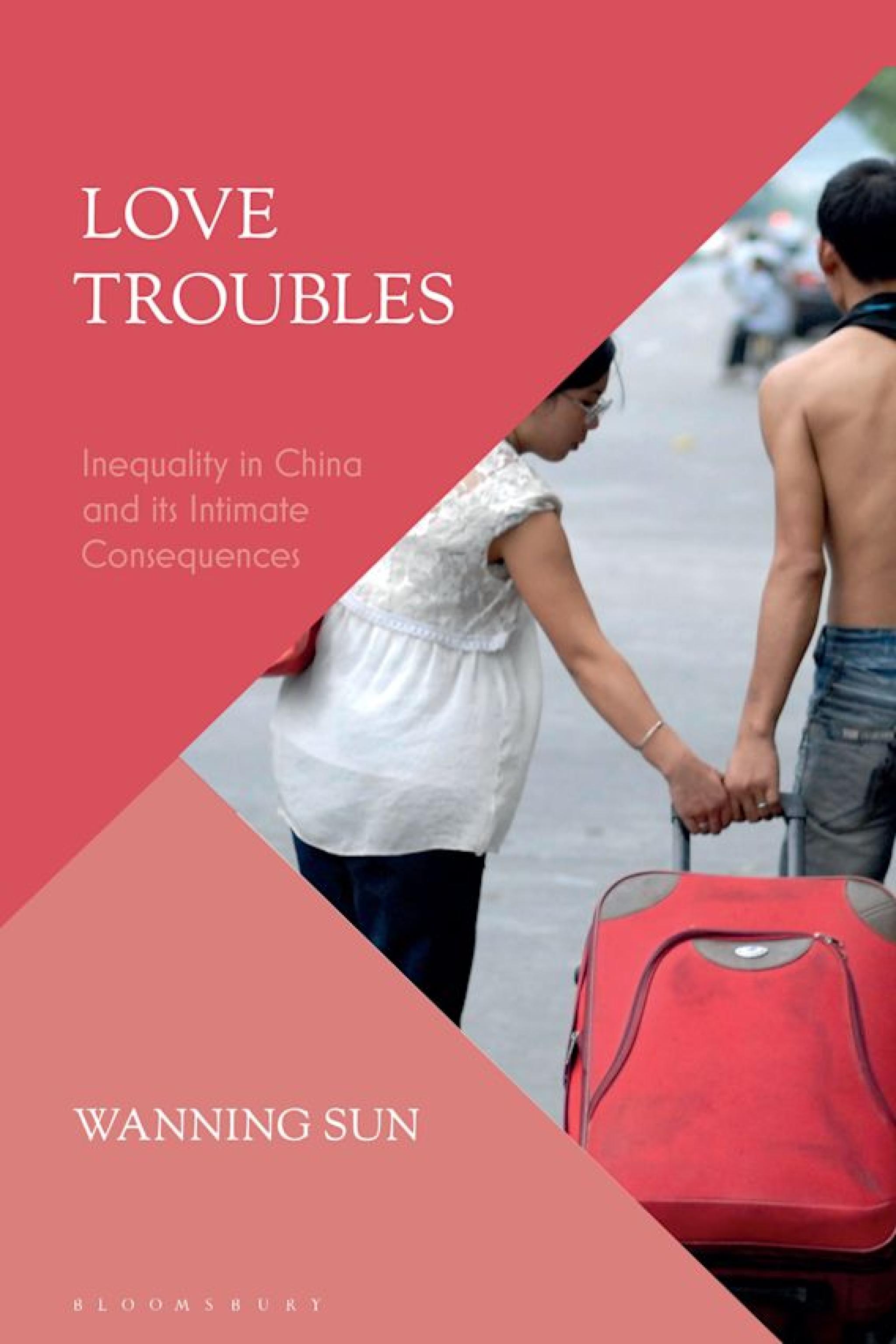
Decades of economic reforms have made China one of the most unequal countries in the world, but the impact of this inequality is not just socioeconomic.